
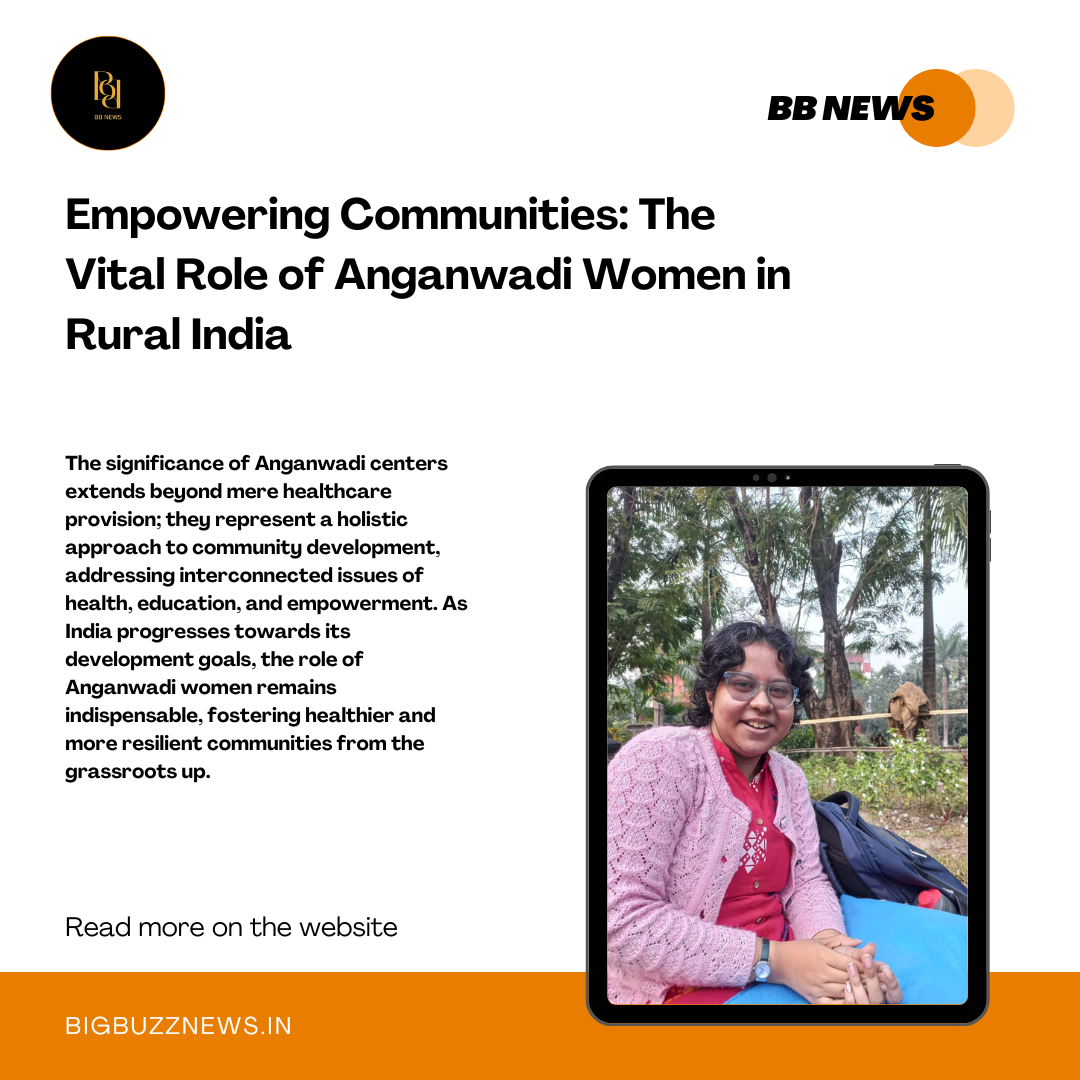
Empowering Communities: The Vital Role of Anganwadi Women in Rural India
In rural India, the term “Anganwadi” resonates deeply with the community, symbolizing not just a sheltered courtyard, but a beacon of hope for the welfare of children and mothers. Established in 1975 as part of the Integrated Child Development Services program by the Government of India, Anganwadi centers have become indispensable hubs for basic healthcare and early childhood education in remote areas.
These centers serve a crucial purpose: combating child hunger and malnutrition, prevalent issues in rural India. Staffed primarily by women, Anganwadi workers are the backbone of this initiative, providing essential services ranging from contraceptive counseling to nutrition education and supplementation. For parents from lower-middle-class families, often struggling with daily wage labor, Anganwadis offer a lifeline, ensuring the well-being of their children while they work.
Moreover, Anganwadi centers double as depots for oral rehydration salts, basic medicines, and contraceptives, addressing immediate healthcare needs within the community. Equipped with comprehensive training in healthcare and social skills, these women serve as trusted resources, bridging the gap between underserved populations and essential healthcare services.
In a landscape marked by dwindling healthcare resources, Anganwadis emerge as resilient pillars, providing a vital lifeline for rural communities. Children benefit from early education opportunities, nurturing their cognitive and social development, while women receive crucial healthcare support, empowering them to lead healthier lives.
The significance of Anganwadi centers extends beyond mere healthcare provision; they represent a holistic approach to community development, addressing interconnected issues of health, education, and empowerment. As India progresses towards its development goals, the role of Anganwadi women remains indispensable, fostering healthier and more resilient communities from the grassroots up.


