Water Shortage in Bengaluru – The Hazardous Scenario
By Trina Kanungo
( A part of National Cultural Council )
Bengaluru, once known as the “Garden City” and “Pensioner’s Paradise,” is today grappling with an acute water crisis that threatens its very survival. The city’s exponential growth over the last few decades, fueled by its rise as India’s IT capital, has placed immense pressure on its water resources, leading to a hazardous and unsustainable situation. The consequences of this crisis are far-reaching, affecting public health, the environment, and economic stability.
Causes of Water Shortage
Overpopulation and Urbanization: Bengaluru’s population has surged from approximately 5.1 million in 2001 to over 12 million in 2025. Rapid urbanization has led to the unplanned expansion of residential and commercial spaces, significantly increasing water demand.
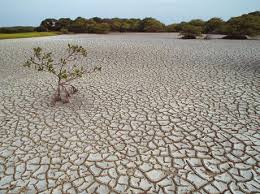
Depleting Groundwater Levels: Due to inadequate surface water supply, many residents and industries rely on groundwater, leading to excessive extraction. Studies indicate that groundwater levels in some parts of Bengaluru have fallen by more than 10 meters over the past decade.
Pollution of Water Bodies: The city’s iconic lakes, once a source of drinking water, have been severely polluted due to untreated sewage, industrial waste, and encroachments. Bellandur and Varthur Lakes are infamous for their frothing and toxic foam, highlighting the dire state of water bodies.
Inefficient Water Management: Poor infrastructure, including leaking pipelines and unmetered water usage, contributes to significant water loss. Reports estimate that nearly 40% of Bengaluru’s water supply is lost due to leakage.
Dependency on Cauvery River: Bengaluru’s primary source of water is the Cauvery River, shared with neighboring districts and states. The limited and contentious availability of Cauvery water has made the city vulnerable to water shortages, especially during drought years.
Consequences of the Water Crisis

Public Health Hazards: The consumption of contaminated water from polluted lakes and borewells has led to a rise in waterborne diseases such as cholera, typhoid, and diarrhea. Lack of access to clean water also exacerbates hygiene-related health problems.
Environmental Degradation: The depletion of lakes and wetlands has disrupted the ecological balance, affecting biodiversity and reducing groundwater recharge capacity. The loss of green spaces has further contributed to urban heat islands and climate change effects.
Economic Impact: The IT industry, which forms the backbone of Bengaluru’s economy, is highly dependent on a reliable water supply. Water shortages increase operational costs for businesses, discourage investment, and may even prompt industries to relocate to other cities.
Social Inequities: Water scarcity disproportionately affects lower-income groups, as they often have limited access to borewells or private water tankers. Dependence on expensive alternatives exacerbates economic hardships for marginalized communities.
Solutions and Mitigation Strategies
Rainwater Harvesting: Mandating rainwater harvesting systems in residential and commercial buildings can help recharge groundwater and reduce dependency on external water sources.
Revival of Lakes and Water Bodies: Restoring Bengaluru’s lakes through desilting, sewage treatment, and community involvement can improve water availability and ecological balance. Strict enforcement against illegal encroachments is also critical.
Efficient Water Management: Upgrading pipeline infrastructure to prevent leaks, promoting water metering, and incentivizing water-saving technologies can minimize wastage.
Sustainable Urban Planning: Implementing green infrastructure, such as permeable pavements and green roofs, can enhance water retention and reduce surface runoff. Urban planning policies must prioritize water sustainability.
Public Awareness Campaigns: Educating citizens about responsible water usage, conservation techniques, and the dangers of water pollution can foster a culture of sustainable living.
Conclusion
Bengaluru’s water crisis is a complex and multi-faceted challenge that demands immediate and collaborative action. Government bodies, industries, and citizens must work together to implement sustainable water management practices. Without decisive intervention, the city’s future is at severe risk, threatening its status as a global technology hub and its residents’ quality of life. Addressing the water crisis with urgency and innovation is crucial to ensuring Bengaluru’s long-term environmental and economic resilience.